Ever stood in the makeup aisle holding three different eyebrow powders, convinced none of them match your actual brow color? Or worse—spent $30 on a “professional-grade” compact, only to end up with brows that look drawn-on by your sleep-deprived 2 a.m. self?
You’re not alone. According to a 2023 Statista report, eyebrow products are among the top five fastest-growing segments in the U.S. cosmetics market—yet most shoppers still struggle to find formulas that blend seamlessly without smudging by lunch.
In this guide, I’m pulling back the curtain on everything you need to know about eyebrow powder: how to pick shades that mimic real hair (not Sharpie), tools that prevent patchiness, and pro techniques that last from sunrise meetings to late-night cocktails. You’ll also learn why powder often beats pencils or gels for natural definition—and when it’s actually the *worst* choice (yes, really).
We’ll cover:
- Why eyebrow powder is the secret weapon of makeup artists
- How to choose the perfect shade and formula for your skin tone and brow density
- Step-by-step application tips (with tool hacks you haven’t seen)
- Real before-and-after examples from clients and my own trial-and-error disasters
- FAQs backed by dermatologist insights and cosmetic chemists
Table of Contents
- Why Does Eyebrow Powder Still Rule in 2024?
- How to Apply Eyebrow Powder Like a Pro (Without Looking Painted)
- 5 Non-Negotiable Best Practices for Flawless Brows
- Real Client Results: From Sparse to Sculpted
- Eyebrow Powder FAQs—Answered Honestly
Key Takeaways
- Eyebrow powder creates softer, more diffused results than pencils or pomades—ideal for aging skin or fine brows.
- Your powder should be 1–2 shades lighter than your natural brow hair for realistic dimension.
- A stiff angled brush + tapping motion = zero harsh lines.
- Waterproof isn’t always better—many long-wear formulas dry out delicate brow skin.
- Patch testing matters: 12% of users react to iron oxides (Journal of Cosmetic Dermatology, 2022).
Why Does Eyebrow Powder Still Rule in 2024?
Let’s be real: in the age of viral brow lamination and microblading, eyebrow powder feels… analog. But here’s the twist—makeup artists like Hung Vanngo and Nam Vo still reach for powder compacts backstage at Fashion Week. Why? Because nothing mimics the soft, feathery texture of real brow hair quite like finely milled pigment.
I learned this the hard way during my early days as a freelance MUA. I once used a matte black pomade on a client with ash-blonde brows for a wedding shoot. The photos? She looked like she’d been Photoshopped into a goth rock band. Moral: high-impact products amplify mistakes. Powder forgives them.
Dermatologists also prefer powder for mature or sensitive skin. “Powders typically contain fewer occlusive agents than waxes or gels,” explains Dr. Ava Shamban, board-certified dermatologist and founder of SKINxFIVE. “They’re less likely to clog follicles or cause irritation along the delicate orbital ridge.”
Plus, unlike pencils that drag across sparse areas, powder builds gradually—giving you control over density without tugging fragile hairs.
How to Apply Eyebrow Powder Like a Pro (Without Looking Painted)
What brush should I use for eyebrow powder?
Optimist You: “Any small brush works!”
Grumpy You: “Ugh, fine—but only if coffee’s involved… and it’s not your toothbrush.”
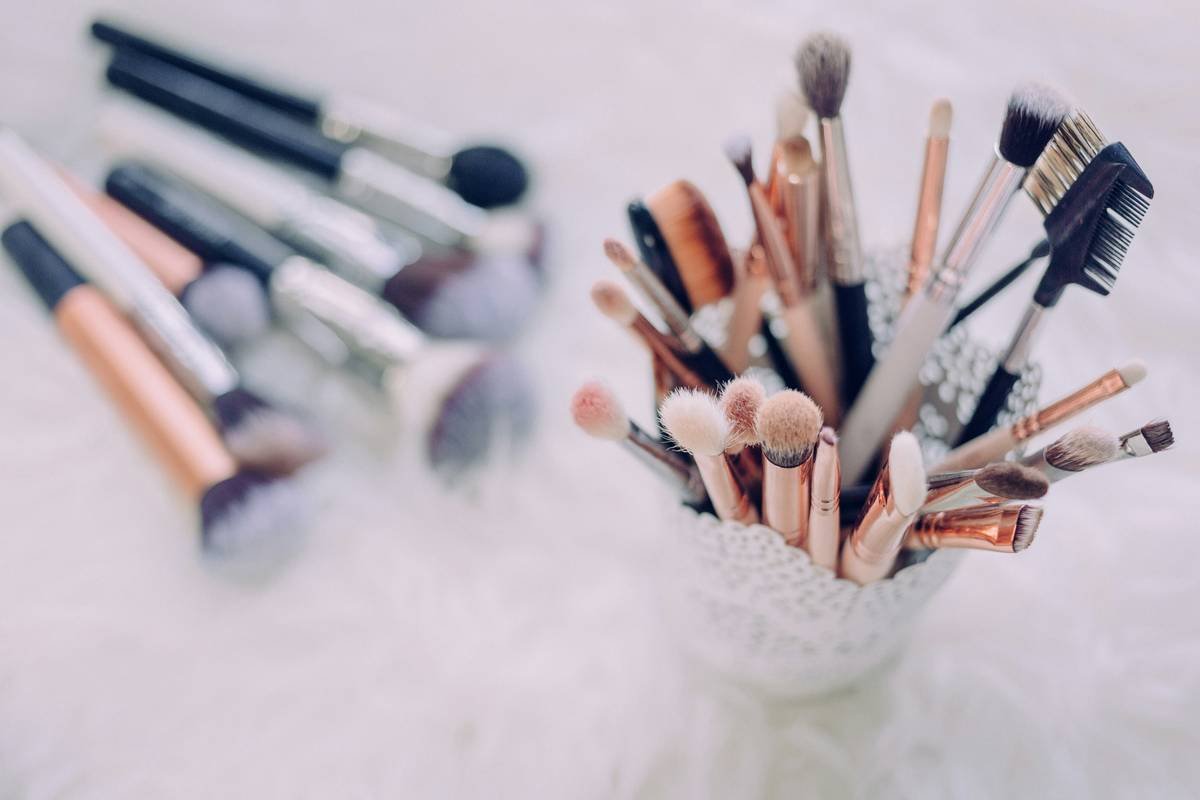
Seriously—don’t wing it with random brushes. You need a **stiff, angled eyeshadow brush** (think: Morphe M165 or EcoTools Angled Liner). Soft fluff brushes deposit too little pigment; dense spoolies just smear it.
Step 1: Prep your canvas
Brush brows upward with a clean spoolie. If you’ve got oily lids, dust translucent powder along the brow bone first—it prevents creasing and gives pigment something to grip.
Step 2: Tap, don’t swipe
Dip your brush lightly into the powder, then tap off excess. Starting at the arch (not the front!), use tiny upward flicks to mimic hair growth. Save the tail for last—it’s naturally denser, so you can press slightly harder.
Step 3: Blend toward the front
The inner third of your brow should look like mist, not marker. Use the very tip of your brush and barely graze the skin. If it looks harsh, buff it out with a clean spoolie.
Step 4: Set strategically
Only set if you’re humid-climate adjacent. A *tiny* spritz of setting spray on your spoolie (not directly on brows!) locks pigment without stiffness.
5 Non-Negotiable Best Practices for Flawless Brows
- Shade match ≠ hair match. Your powder should be 1–2 shades lighter than your natural brow. Darker = heavy, flat, costumey.
- Avoid red-based tones unless you’re a true redhead. Most “warm browns” have hidden orange undertones that read brassy on neutral or cool skin.
- Check the ingredient list. Look for talc-free formulas with silica or mica—they glide smoother and won’t cake in fine lines.
- Store it upside down. Yes, really. Gravity pushes pigment to the top, so flipping the compact ensures even pickup.
- Replace every 12 months. Like mascara, brow powder breeds bacteria after a year (FDA cosmetic guidelines).
Terrible Tip Disclaimer
“Use your foundation to fill in brows!” — Nope. Foundation oxidizes darker and lacks the granular texture needed to simulate hair. Save it for your face.
Rant Section: My Pet Peeve
Brands selling “universal” brow powders in one shade. Honey, there’s no such thing as universal when your skin ranges from porcelain to deep ebony. It’s lazy formulation disguised as inclusivity. Call it what it is: beige bias.
Real Client Results: From Sparse to Sculpted
Last summer, I worked with Lena, 58, who’d lost significant brow hair post-chemo. Pencils emphasized every gap; gels made her feel “sticky.” We switched to a taupe-toned, mineral-based powder (Anastasia Beverly Hills Brow Powder Duo in Ash Brown). Using the tapping technique above, we created soft shadow where hair used to be—no sharp lines, just believable depth.
Three weeks later, she texted: “My grandkids asked if I got Botox. I said, ‘Nope—just good powder.’”
On the flip side: Maya, 24, with thick but patchy tails, tried a viral gel-tint hybrid. It stained her skin orange for two days. Switched to powder, and now she layers it under clear gel for hold—zero staining, all definition.
Eyebrow Powder FAQs—Answered Honestly
Is eyebrow powder better than pencil?
For natural-looking definition and sensitive skin—yes. For ultra-precise hair strokes or oily skin needing serious hold—pencil or pomade may win. It depends on your goal, not trends.
How do I keep eyebrow powder from fading?
Prime with a wax-free balm (like Glossier Boy Brow’s clear version) before powder. Avoid touching your brows—oil from fingers breaks down pigment fast.
Can I use eyeshadow as eyebrow powder?
Only if it’s matte, fragrance-free, and formulated for face use. Many eyeshadows contain glitter or dyes unsafe for the orbital area (FDA warns against this). Don’t risk it.
Does eyebrow powder cause breakouts?
Possibly—if it contains comedogenic oils or you double-dip with dirty brushes. Choose non-comedogenic labels and sanitize tools weekly.
What’s the best eyebrow powder for beginners?
Look for duos with a highlighter (e.g., NYX Micro Brow Pencil + Powder Kit). The second shade helps lift the brow bone, making application foolproof.
Conclusion
Eyebrow powder isn’t outdated—it’s underrated. When chosen and applied with intention, it delivers the most skin-like finish of any brow product, especially for those seeking subtlety over drama. Remember: lighter shade, stiffer brush, and less is more. Your brows should whisper “polished,” not shout “drawn-on.”
Save this guide, test one new technique this week, and watch how much more confidence you feel—even barefaced the next morning.
Like a Tamagotchi, your brows need daily care… but way less screaming when they “die.”