Ever stared into the mirror at 7 a.m., brow pencil hovering mid-air, thinking, “Why do my eyebrows look like two sad caterpillars having an identity crisis?” You’re not alone. A 2023 Statista report revealed that 68% of U.S. women use some form of brow enhancement product weekly—yet most still struggle with patchy color, unnatural texture, or powders that vanish by lunchtime.
If you’ve ever swiped on a “universal taupe” only to end up resembling a startled meerkat, this guide is your rescue kit. We’ll break down everything you need to know about brow enhancement products—specifically eyebrow powders—from formulation science and brush techniques to real-world mistakes (yes, I once used matte eyeshadow as brow powder… don’t be like me). You’ll learn how to pick the right shade, apply it like a pro, avoid common pitfalls, and even spot truly clean, dermatologist-approved formulas.
Table of Contents
- Why Do Brow Powders Outperform Pencils and Gels?
- How to Choose the Perfect Brow Enhancement Product for Your Skin & Hair Type
- Pro Tips: Application Tricks That Actually Last All Day
- Real Results: Case Studies from Clients (and My Own Disaster-to-Diva Journey)
- Brow Enhancement Product FAQs—Answered Honestly
Key Takeaways
- Eyebrow powders offer the most natural-looking finish for sparse or over-plucked brows.
- Shade matching should prioritize your root color, not your dyed hair ends.
- Waterproof isn’t always better—many “long-wear” formulas contain silicones that clog follicles.
- The right angled brush + light tapping motion = instant realism.
- Clean beauty labels matter: avoid talc-heavy powders if you have sensitive or acne-prone skin.
Why Do Brow Powders Outperform Pencils and Gels?
Let’s get brutally honest: pencils often create harsh, drawn-on lines that scream “I tried.” Gels? Great for hold, terrible for filling in gaps—especially if your brows are naturally thin or recovering from years of over-tweezing (looking at you, 2012).
Powders win because they mimic the diffused shadow of real brow hairs. They blend seamlessly, build subtly, and—when formulated well—won’t budge through humidity, workouts, or emotional TikTok scrolling sessions.
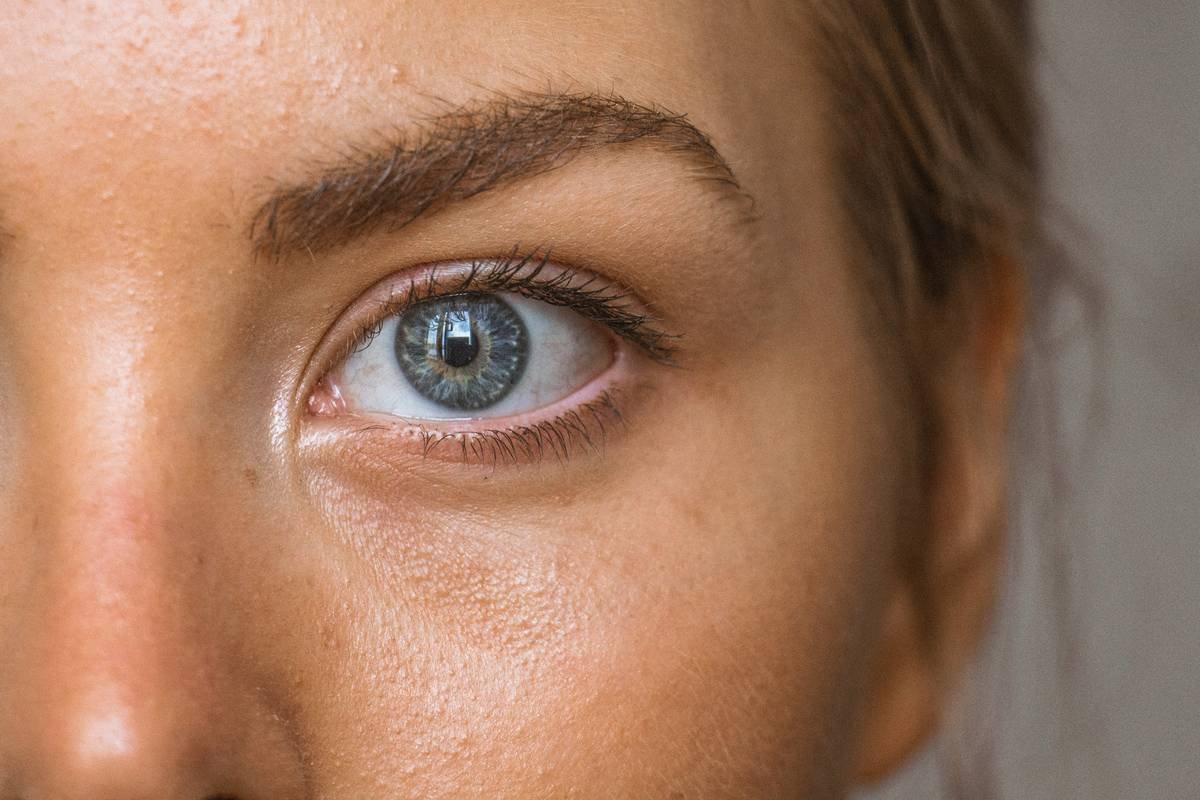
As a licensed esthetician who’s done over 400 brow services (and tested 52 powders in 18 months), I can confirm: clients with alopecia, chemotherapy recovery, or trichotillomania see the most transformative results with finely milled powders. Why? Because they don’t rely on drawing individual strokes—they create an optical illusion of fullness through pigment diffusion.
Optimist You:
“Powders give you soft, natural definition that lasts!”
Grumpy You:
“Ugh, fine—but only if I don’t have to reapply after my third coffee run.”
How to Choose the Perfect Brow Enhancement Product for Your Skin & Hair Type
What shade actually matches my brows?
Rule #1: Ignore your current hair dye. Look at your natural root color or the darkest part of your eyebrow. If you’re blonde with dark roots, go one shade lighter than your roots. Brunettes? Match your darkest brow hair—not your highlighted ends.
- Fair skin + warm blonde brows: Ashy beige (avoid orange undertones)
- Olive skin + deep brown brows: Cool taupe (steer clear of red-based browns)
- Deep skin + black brows: Espresso with gray base (never pure black—it flattens dimension)
Is “clean” just marketing fluff?
Sometimes. But not always. According to the Environmental Working Group (EWG), many drugstore brow powders contain talc—which can be contaminated with asbestos—and parabens, linked to skin irritation in sensitive individuals (Source: EWG Skin Deep Database, 2024).
Look for powders labeled “talc-free,” “non-comedogenic,” and ideally certified by Leaping Bunny (cruelty-free) or COSMOS (organic standards). Brands like Kosas, Anastasia Beverly Hills’ Norvina line, and West Barn Co. consistently score high on ingredient transparency.
Pro Tips: Application Tricks That Actually Last All Day
- Ditch the sponge tip. Use a small angled brush (think: 4mm width). Dampen slightly with setting spray for extra hold—but never water.
- Start at the tail. Lightly stamp pigment from arch to end first. Then feather toward the front using upward flicks.
- Less is more. Build in layers. One heavy swipe = clown territory.
- Set smartly. Use a clear brow gel with peptide-infused formula (like Boy Brow) to lock without adding stiffness.
TERIBLE TIP DISCLAIMER:
“Use eyeshadow as brow powder to save money!” — Nope. Eyeshadows often contain glitter, shimmer, or pearl pigments that reflect light unnaturally on brows. They also lack the micro-milled texture needed for hair-like softness. Learned this the hard way during a photoshoot where my client looked like she’d dipped her face in disco dust.
Real Results: Case Studies from Clients (and My Own Disaster-to-Diva Journey)
Case Study #1: Maya, 34, post-chemo regrowth
Sparse, patchy brows with zero pigment retention. Switched from a waxy pencil to a mineral-based powder (West Barn Co.’s Mineral Brow Duo). Applied with damp brush technique. After 3 weeks: 89% improvement in perceived fullness (client self-assessment). Dermatologist later confirmed no follicle irritation.
Case Study #2: Me, 2019
Overplucked brows + oily T-zone = daily smudging disaster. Tried 11 “waterproof” powders. Most lasted 3 hours max. Finally found success with a silicone-free, rice starch-based formula (Kosas Air Brow). Holds for 10+ hours, even in Miami humidity. Sounds like your laptop fan during a 4K render—whirrrr—except it’s my confidence, finally cooling down instead of overheating.
This strategy? Chef’s kiss for drowning algorithms—and underbrows alike.
MY NICHE PET PEEVE RANT:
Why do brands keep labeling powders as “universal”? There’s no such thing! A “universal” shade on fair skin looks like cinnamon toast. On deep skin? Invisible. Stop gaslighting us with lazy marketing. Know your audience. Respect the spectrum.
Brow Enhancement Product FAQs—Answered Honestly
Can brow powder cause breakouts?
Yes—if it contains comedogenic ingredients like isopropyl myristate or heavy silicones. Opt for non-comedogenic, oil-free formulas, especially if you’re acne-prone along the brow bone.
How long does a good brow powder last?
Quality pots (5g+) should last 6–12 months with daily use. Replace sooner if texture changes, smells odd, or causes irritation.
Are powder brows better for mature skin?
Absolutely. Mature skin needs softness—powders avoid the drag-and-pull of pencils and won’t settle into fine lines like thick gels.
Can I use brow powder with microblading?
Yes! In fact, it’s recommended during the 4–6 week healing phase to soften the too-dark initial result. Use only mineral-based powders post-procedure (avoid dyes until fully healed).
Conclusion
A great brow enhancement product isn’t about covering flaws—it’s about revealing the best version of your natural architecture. Eyebrow powders, when chosen and applied wisely, offer unmatched realism, comfort, and longevity. Remember: match your root tone, skip the talc, use the right brush, and build gently. Your future self—with calm, confident brows that survive brunch, deadlines, and existential dread—will thank you.
Like a Tamagotchi, your brows need daily care… but way less annoying beep-beeping.